

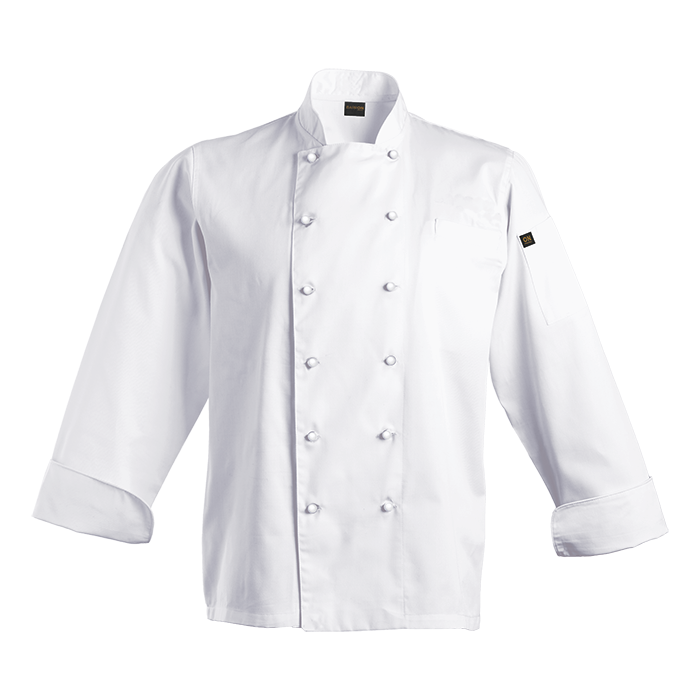
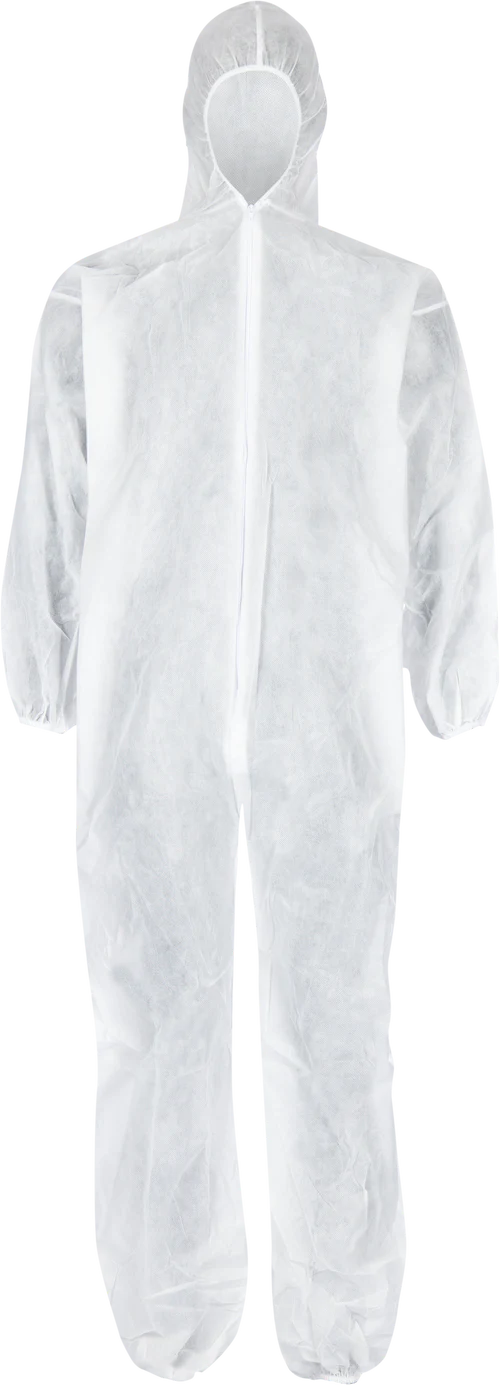





Two departments can both request lab coats while expecting different products. One may be discussing a reusable uniform layer, another a disposable garment, and a third a particular sleeve design. Start the comparison in Supply SA's lab coat range, which includes All-Purpose Short Sleeve Lab Coat, All-Purpose Long Sleeve Lab Coat and Non Woven Lab Coats listings. These are distinct catalogue descriptions. The buying decision needs to establish the approved use and construction before price or appearance determines the order. A coat's name does not prove suitability for a laboratory, clinical or chemical task.
Ask each department for a complete brief
Use a short request covering intended role, approved garment requirement, preferred sleeve arrangement, reusable or disposable construction, size range and the person authorising the specification. Ask what product documentation is required. If a department cannot answer a technical question, leave it for the responsible assessor rather than filling the gap with a general catalogue description. Keep appearance preferences separate from required properties. A white coat worn as a uniform is not automatically equivalent to another garment selected for a documented protective purpose, even when the photographs appear similar on a supplier's page.
Compare short sleeves and long sleeves as distinct options
Make a two-column comparison using the selected models' current information. Record sleeve description, fastening, stated fabric or construction, pockets, available sizes and care instructions where supplied. Do not infer a feature that the listing does not confirm. Ask the department to review the comparison against its actual process, including other approved clothing or equipment. If the sleeve arrangement is part of the technical specification, procurement should treat it as a required item rather than a preference that can be changed to match available stock. Keep approved alternatives documented by code.
Check the care route before ordering reusable stock
Find out who launders the garments and obtain the manufacturer's care instructions for the chosen product. The department should confirm compatibility with its process. Avoid creating a cleaning method from general assumptions about cotton or non-woven materials. If a disposable garment is selected, confirm the applicable product instructions and the department's own issue and disposal arrangements. Purchasing can record those decisions and ensure the right product is bought; it should not turn the word disposable into an unsupported statement about use duration, suitability or performance in a particular environment.
Prepare a component and size schedule
Suppose two departments need ten coats each, but one has approved a long-sleeve model and the other a short-sleeve model. Quote them as separate codes with separate size distributions. A total of twenty lab coats hides information the supplier needs and the receiving team must verify. Use each model's own chart and arrange fittings where needed. Show authorised spare garments independently. If some staff also receive scrub tops and trousers, keep those components on their own lines so the complete issue can be reconciled without assuming that one uniform size applies to every item.
Make substitutions and charges visible
Ask Supply SA to identify unavailable codes or sizes before offering replacements. A different sleeve or construction needs the relevant department's approval, not just purchasing acceptance of an earlier delivery. Request a clear selling unit, VAT basis and delivery charge. If names or logos are required, agree placement, artwork approval and exchange conditions before production. Confirm how the order will be packed for separate departments. This prevents a correctly priced consignment from becoming difficult to distribute because the differences that justified the order were lost between the quote and the packing list.
Retain an approved department record
Check received codes and sizes against the schedule, then update any fitting corrections. Keep the product sheet and care instructions with the department's approved issue record. When the next order comes in, compare it with that record before grouping it into a general lab coat line. The outcome is a manageable buying decision: each department receives the construction and sleeve arrangement it approved, quantities remain traceable, and any proposed change can be reviewed using the exact garment information rather than an assumption about what all lab coats have in common.
Compare ranges for your order
Use these options to refine the shortlist for the task discussed above. Follow each link to compare the listed models, available variants and selling units before confirming quantities.
- The lab coats selection includes Lab Coats.
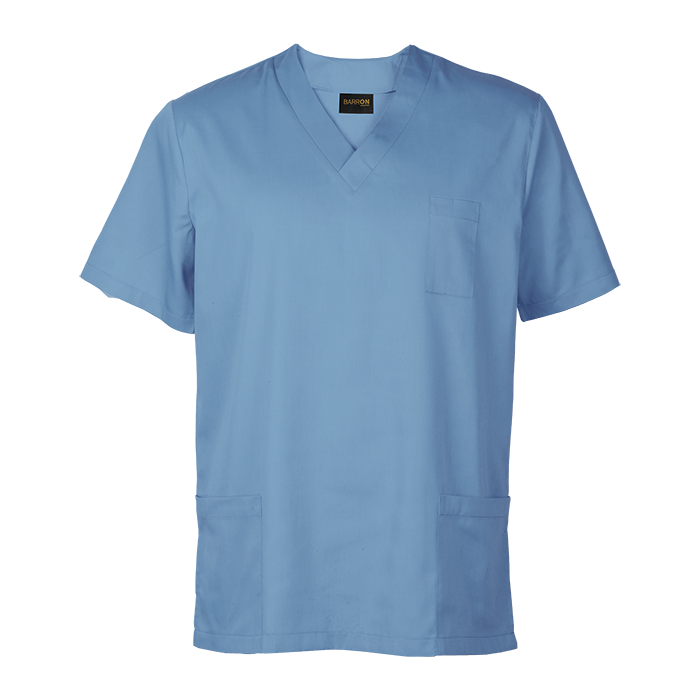
- The men's medical scrubs selection includes Mens V-Neck Scrub Top with Sublimation.
- The unisex medical scrubs selection includes Unisex Scrub Drawcord Pants with Sublimation.
- The ladies' medical scrubs selection includes Unisex Scrub Drawcord Pants with Sublimation.
- The reinforced surgical gown selection includes Reinforced sterile surgical gowns.
- The surgical gown selection includes Standard Sterile Surgical Gowns.
Specify additional ranges for this order
Open the relevant group below to prepare a more specific enquiry. Each collection identifies listed catalogue items or clearly asks for availability confirmation when the exact item is unconfirmed.
Medical uniforms and instruments requests
- If the order calls for white lab coat, specify uniform components, fit, selling unit and model details and confirm the exact item before approving the quantity.
- If the order calls for lab coat for students, specify uniform components, fit, selling unit and model details and confirm the exact item before approving the quantity.
- If the order calls for doctor lab coat, specify uniform components, fit, selling unit and model details and confirm the exact item before approving the quantity.
- If the order calls for acid resistant lab coat, specify uniform components, fit, selling unit and model details and confirm the exact item before approving the quantity.
- If the order calls for green lab coat, specify uniform components, fit, selling unit and model details and confirm the exact item before approving the quantity.
- If the order calls for black lab coat, specify uniform components, fit, selling unit and model details and confirm the exact item before approving the quantity.
- If the order calls for colored lab coats, specify uniform components, fit, selling unit and model details and confirm the exact item before approving the quantity.
- If the order calls for disposable white lab coats, specify uniform components, fit, selling unit and model details and confirm the exact item before approving the quantity.
- If the order calls for embroidered lab coats, specify uniform components, fit, selling unit and model details and confirm the exact item before approving the quantity.
- If the order calls for fitted lab coat, specify uniform components, fit, selling unit and model details and confirm the exact item before approving the quantity.
- If the order calls for grey lab coat, specify uniform components, fit, selling unit and model details and confirm the exact item before approving the quantity.
- If the order calls for long lab coat, specify uniform components, fit, selling unit and model details and confirm the exact item before approving the quantity.
- If the order calls for pharmacist lab coat, specify uniform components, fit, selling unit and model details and confirm the exact item before approving the quantity.
- If the order calls for purple lab coat, specify uniform components, fit, selling unit and model details and confirm the exact item before approving the quantity.
- If the order calls for red lab coat, specify uniform components, fit, selling unit and model details and confirm the exact item before approving the quantity.
- If the order calls for science lab coats for students, specify uniform components, fit, selling unit and model details and confirm the exact item before approving the quantity.
- If the order calls for cherokee lab coats, specify uniform components, fit, selling unit and model details and confirm the exact item before approving the quantity.